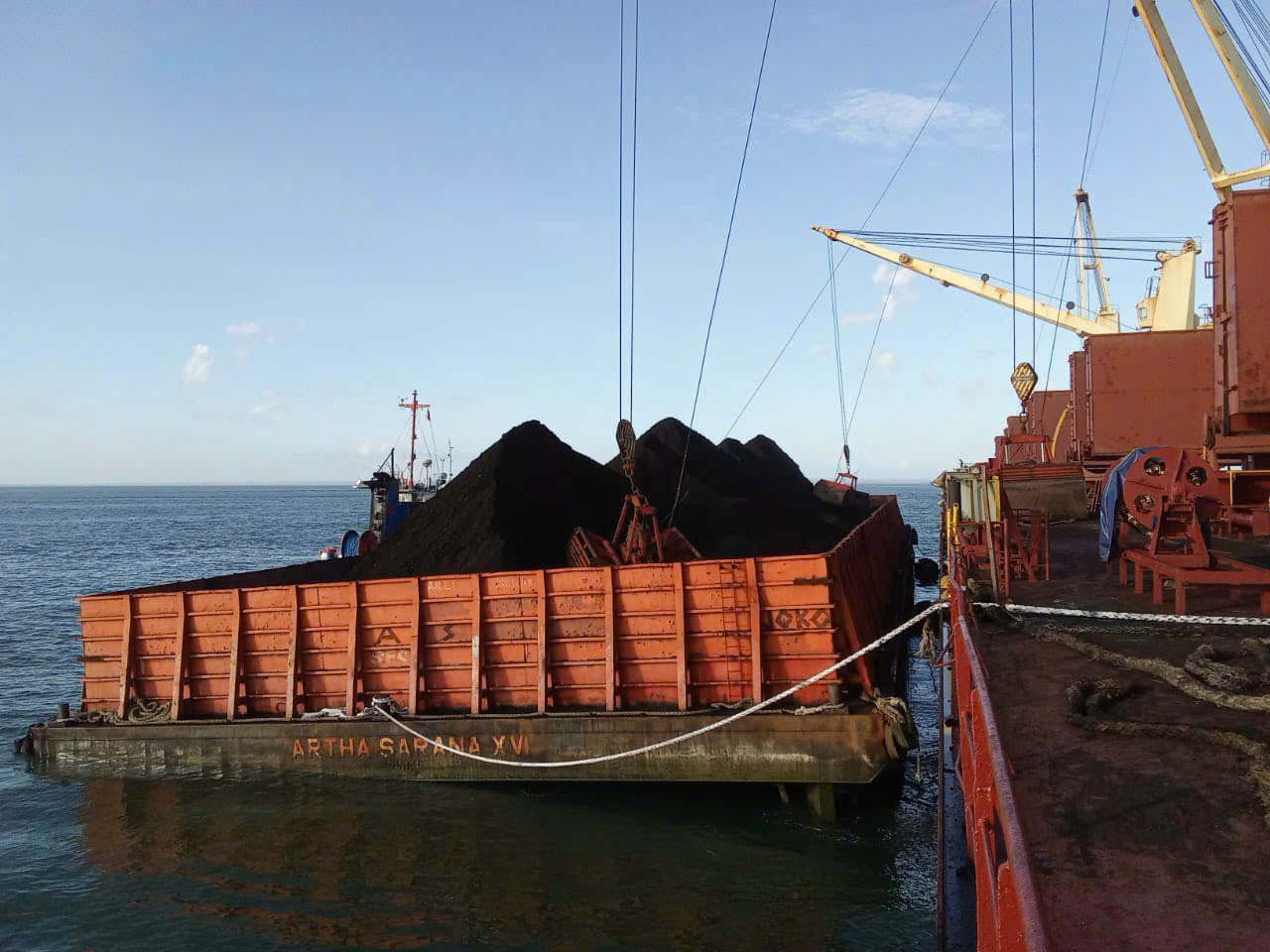
Coal Fines vs. Lump Coal: Choosing the Right Type for Your Needs
Coal Fines vs. Lump Coal: Choosing the Right Type for Your Needs
📌 1. Basic Definitions
Coal Fines:
Coal in small particle form (usually <10 mm). Due to its fine size, coal fines ignite easily and allow more even heat distribution.
Lump Coal:
Coal with larger particle sizes (typically from 10 mm to 200 mm). This type remains in solid lumps with less breakage and dust.
Indonesian Coal (Indo Coal):
Coal imported from Indonesia, available in both fines and lump forms. It is well known for its cleanliness, stable calorific value, and competitive pricing.
🔥 2. Comparison Between Coal Fines and Lump Coal
| Criteria | Coal Fines | Lump Coal |
|---|---|---|
| Particle size | Fine, small | Large, solid lumps |
| Ignition | 🔥🔥🔥 (High) | 🔥🔥 (Moderate – more difficult) |
| Calorific value | Depends on grade (4,000–6,000 kcal/kg) | Usually higher and more stable |
| Dust generation | Higher | Lower |
| Ash after combustion | Typically higher | Lower, cleaner |
| Typical applications | Industrial boilers, cement, drying processes | Large boilers, heavy industries requiring high heat output |
| Cost | Generally lower | Generally higher |
🧱 3. Detailed Advantages & Disadvantages
✅ Coal Fines – Advantages
✔️ Easy ignition and stable combustion: Small particle size allows quick ignition and uniform heat distribution.
✔️ Lower cost and operating expenses, suitable for standard systems.
✔️ Ideal for small to medium industrial boilers, cement production, agricultural drying, bricks, and tiles.
❌ Coal Fines – Disadvantages
⚠️ Higher ash and dust content, requiring efficient ash-handling systems.
⚠️ Lower calorific value compared to lump coal of similar grade, meaning higher consumption to achieve the same heat output.
✅ Lump Coal – Advantages
✔️ Higher calorific value, producing stronger and more stable heat → fuel savings for large-scale applications.
✔️ Lower ash content, cleaner operation → protects boiler tubes and reduces maintenance frequency.
❌ Lump Coal – Disadvantages
⚠️ More difficult to ignite due to larger particle size.
⚠️ Higher price, reflecting higher processing costs and calorific value.
📌 4. Key Characteristics of Indonesian Coal
Indonesian coal is not a separate size category but refers to coal originating from Indonesia (available as fines or lump). Key features include:
📌 Low ash content (approximately 3–12%)
📌 Low sulfur content (<1%) → reduced SO₂ emissions
📌 Stable calorific value (around 3,800–6,800 kcal/kg depending on grade)
📌 Competitive pricing compared to Australian coal or high-grade domestic coal
👉 As a result, Indonesian coal is widely used in power plants, cement factories, and industrial boilers in many countries, including Vietnam.
🛠️ 5. Which Type Should You Choose?
🔹 1. Small to Medium Industrial Boilers
Indonesian coal fines or medium-grade domestic coal fines
→ Easy ignition, lower cost, suitable for stable and uniform heat demand.
🔹 2. Large Boilers / High-Capacity Plants
High-quality Indonesian lump coal
→ Higher calorific value and stable combustion → reduced coal consumption and ash buildup.
🔹 3. Cement, Brick, Drying Industries
Coal fines or lump coal depending on required heat output
→ Coal fines for drying systems; lump coal preferred for higher heat demand.
🔹 4. Cost-Sensitive Applications
Coal fines are generally more economical
— but require more effective dust and ash management systems.
Tin tức liên quan

INDONESIAN COAL GAR 3400 – 1–3 MONTH OUTLOOK IN VIETNAM